.jpg)
How recycled rubber helps create safer, more colorful, and more sustainable places to play, move, and gather
Every great recreational space starts from the ground up. Long before a playground opens, a track is striped, or a fitness space welcomes its first users, material choices are already shaping how that space will perform, feel, and last.
At The Surfacing Group, we believe surfacing is more than a finishing layer. It is a foundation for safety, accessibility, creativity, and long-term value. From playgrounds and parks to athletic facilities, trails, and specialty recreation spaces, the materials beneath our feet help determine how people move, connect, and experience a place.
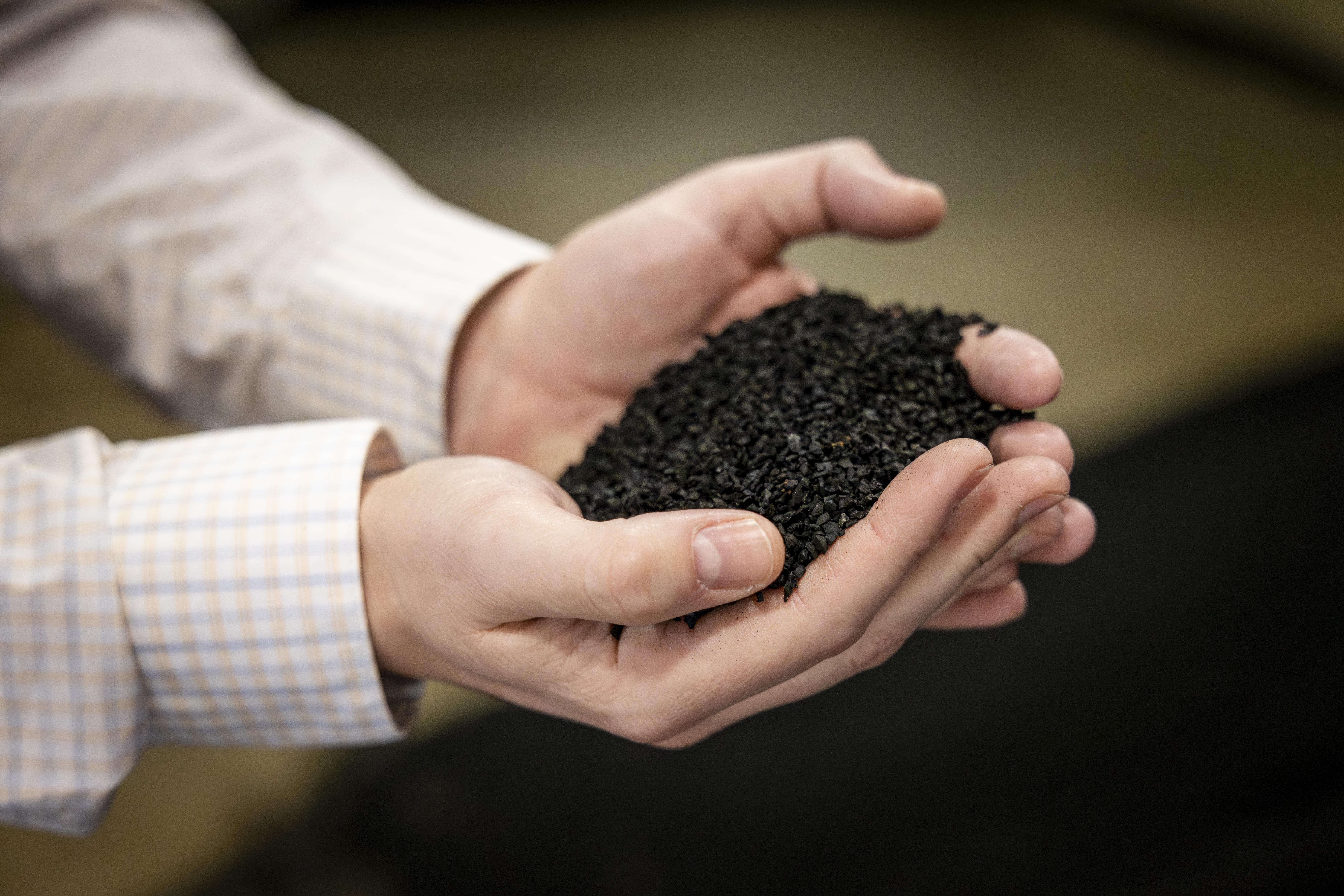
That is why recycled rubber plays such an important role in modern recreational surfacing. Through Sparton Enterprises, a member of The Surfacing Group, industrial rubber scrap can be transformed into high-performance materials used in playgrounds, athletic systems, equestrian facilities, and other recreational environments. Sparton has served sustainable infrastructure since 1969 by bridging industrial by-products and premium recreational surfacing, and its work focuses on transforming rubber scrap into high-performance raw materials.
From Industrial By-Product to Purposeful Performance
Sustainability in surfacing is not just about what a product is made from. It is also about how thoughtfully that material is processed, specified, installed, and maintained over time.
Sparton’s recycling model helps give select manufacturing by-products a second life by converting industrial scrap into high-value crumb rubber. The program accepts EPDM, SBR, and natural rubber scrap directly from manufacturing facilities, while maintaining material purity by not accepting used tires.
That distinction matters. Recreational surfacing depends on consistency, durability, and performance. Whether the material is used in a playground safety layer, a running track system, synthetic turf infill, or equestrian footing, the right raw material helps support the final surface’s function.
For facility owners, designers, and communities, recycled rubber materials can help align performance goals with more responsible material use. Instead of following a linear “dispose” model, Sparton’s process supports a circular “repurpose” model that transforms manufacturing remnants into materials used in high-performance play and recreation surfaces.
Why Rubber Materials Matter in Recreational Surfacing
Recreational spaces ask a lot from their surfaces. They must support movement, withstand weather, provide comfort underfoot, contribute to accessibility, and maintain visual appeal in demanding environments.
Sparton supplies EPDM and SBR rubber granules for recreational, athletic, and specialty surfacing applications. EPDM rubber granules are used for poured-in-place wear layers, UV-resistant running track caps, and high-visibility aesthetic designs, while SBR granules and buffings are used for shock-absorbing sub-strata, synthetic turf infill, equestrian footing stabilization, and bulk mulch applications.
That gives surfacing professionals flexibility. Some projects need bold color and UV stability. Others need shock absorption, drainage, resilience, or a durable base layer. Many need a combination of those characteristics.
In broader surfacing design, material selection should account for more than budget and appearance. The Strong Foundations draft notes that surfacing selection should include performance metrics, compliance requirements, and long-term implications, whether the project involves poured-in-place rubber, rubber tiles, synthetic turf, engineered wood fiber, or loose-fill rubber.
Supporting Safer, More Inclusive Play
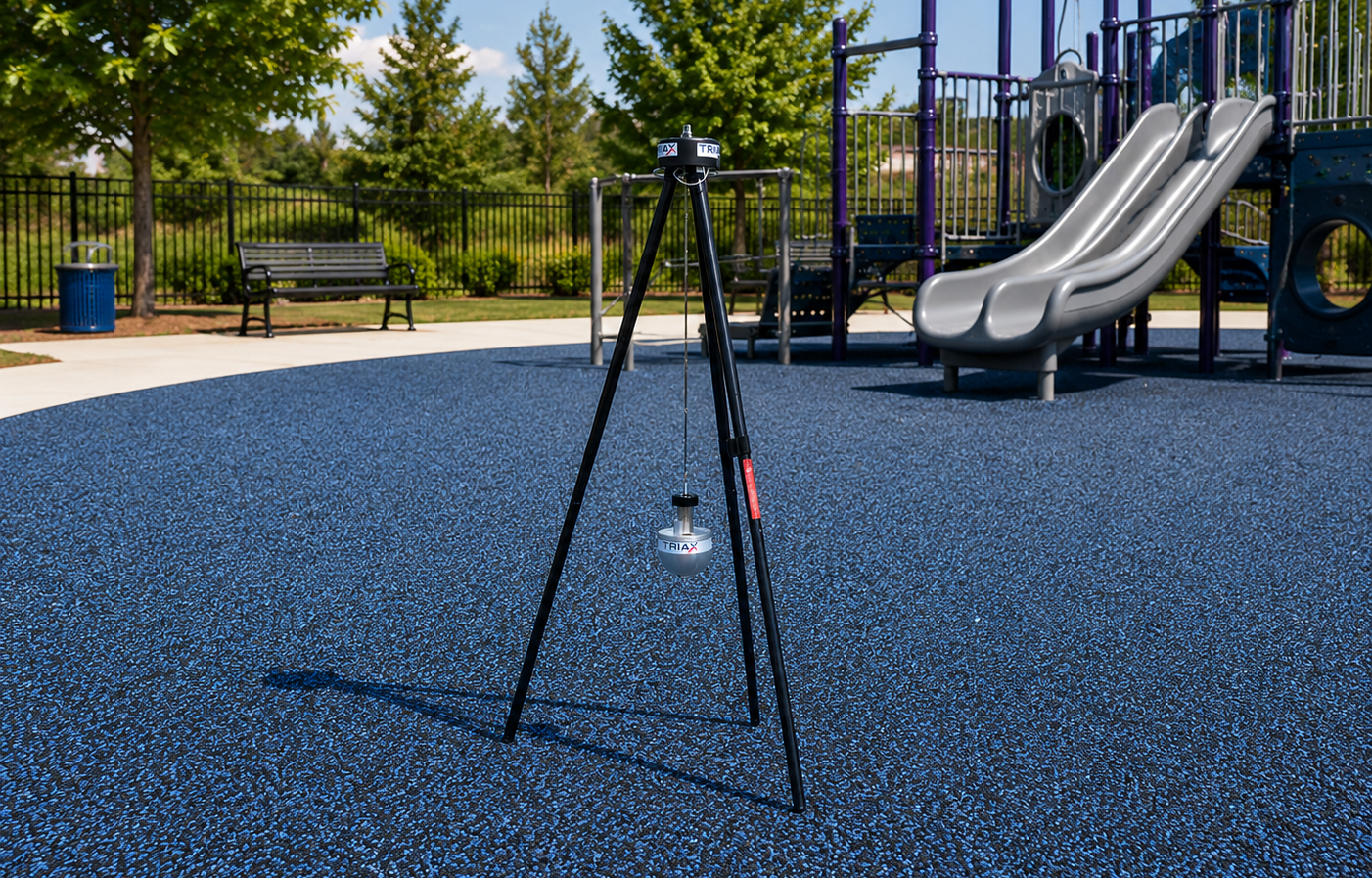
In playground environments, impact performance is one of the most important considerations. Sparton’s original blog notes that playground surfacing prioritizes mitigation of Critical Fall Height through strong impact attenuation, and that Sparton’s EPDM colored rubber granules are commonly used in poured-in-place systems to help create seamless, elastic surfaces that support safer play environments while preserving design flexibility.
Surfacing also plays a role in access and inclusion. Strong Foundations content describes surfacing as a foundational element that affects how a space performs, how it feels, and who can fully experience it. It also notes that thoughtfully planned surfacing can support inclusive pathways for mobility devices, define activity zones, and invite open-ended play through texture, color, and form.
That means the surface can do more than meet a requirement. It can help guide movement, separate active and quiet zones, reinforce a theme, and create opportunities for users of different ages and abilities to participate together.
Research compiled in the Strong Foundations appendix also supports the importance of surfacing choices. A review of 15 studies identified non-impact-absorbing surfacing and critical fall heights among key playground safety risk factors, and another cited source states that injuries decrease by 30% when playground surfaces are converted to rubber. The same appendix notes that research supports flat, uniform, moderately firm and stable surfaces, such as poured rubber, to optimize inclusion and accessibility.
Color, Texture, and Design Possibility
One of the most exciting advantages of modern surfacing is its ability to become part of the design story.
Sparton’s EPDM colored rubber granules support vibrant surface designs, while the original blog notes that EPDM is formulated to resist oxidative aging and UV degradation, helping color palettes remain stable under environmental exposure. Installers can also select from varied granule sizes to optimize durability, weight, and surface texture.
That level of control matters for designers who want surfacing to support both function and imagination. Strong Foundations content emphasizes that modern playground and recreational surfacing should go beyond safety and compliance to become part of how a site functions for users of all ages and abilities. It also notes that surfacing can enhance aesthetics, encourage movement, support inclusive participation, and add play value beyond the equipment itself.
The Strong Foundations slide deck provides examples of how surface color, texture, and design can elevate recreational spaces, noting that color and design can create aesthetic appeal and invite creative play, while surface colors can organize play areas between ground-level components and active play.
Built for Athletic Performance
Rubber surfacing also supports high-performance athletic environments. Running tracks, training areas, and sport surfaces often rely on layered systems that balance energy return, durability, texture, and weather resistance.
The original Sparton blog explains that professional athletic surfacing is a layered system designed for energy return, durability, and surface consistency. It also notes that SBR granules are typically used as a cost-effective, shock-absorbing base layer in running tracks, then capped with EPDM granules or broadcast spray materials that provide friction, color, and weather resistance.
This layered approach reflects a larger principle in surfacing: the visible top layer is only one part of the system. Performance depends on how materials work together from the base up.
Specialty Applications: Beyond the Playground
Recycled rubber materials also serve applications beyond traditional playgrounds. In equestrian facilities, Sparton supplies recycled rubber materials designed to enhance the mechanical properties of sand-based arenas. The attached blog explains that incorporating shredded rubber mulch into a sand sub-surface can improve stability and cushioning, help reduce strain on horses’ joints, and help reduce airborne particulates in indoor environments.
The Surfacing Group’s broader portfolio of surfacing knowledge reinforces this idea: specialty surfacing should be tailored to the purpose, user, and site-specific challenge. The Strong Foundations draft states that specialty surfacing can help activate multi-functional recreational environments and should balance safety, durability, aesthetics, and user needs.
Whether the project is a splash pad, outdoor fitness area, multi-generational recreation space, trail, garden path, dog park, or athletic venue, surfacing decisions can shape how people use and enjoy the space.
A Smarter Surface Starts with Better Materials
The best recreational spaces are designed with the future in mind. They consider not only the opening day experience, but also long-term maintenance, accessibility, safety, aesthetics, and environmental responsibility.
Sparton helps support that future by transforming select rubber scrap into materials that contribute to high-performance surfacing systems. Its materials are available in standard 55 lb bags for precision mixing or 1000 lb bulk bags for high-volume installations, supporting a range of project scopes.
As part of The Surfacing Group, Sparton brings nearly 60 years of technical expertise and a commitment to quality to the surfacing industry. And for designers, installers, owners, and communities, that expertise helps turn recycled material into places where people can play, train, gather, and thrive.
Ready to Plan Your Next Surface?
Whether you are designing a playground, athletic facility, recreation trail, dog park, equestrian arena, or custom community space, The Surfacing Group can help you think through the materials, performance needs, and design possibilities from the ground up.
Explore Sparton’s recycled rubber materials, connect with The Surfacing Group’s surfacing experts, or use Sparton’s interactive Color Mixer Tool to visualize a custom surfacing solution.
.jpg)